Markets
How the Stock Market Actually Works
Learn how the stock market really works: shares, exchanges, and how buyers and sellers set prices. See why a stock moves from $50 to $55 and back.
By the Euphoria team · 2026-07-18 · 5 min read
Key points
- The stock market is just a marketplace where people buy and sell shares, small pieces of real companies.
- Owning one share of a company split into a million shares means you own one millionth of it, real ownership.
- No one sets a stock's price; it is whatever a buyer and seller agree on, trade after trade, all day long.
- Prices move on expectations, so good news can lift a share from $50 to $55 while bad news can slide it toward $48.
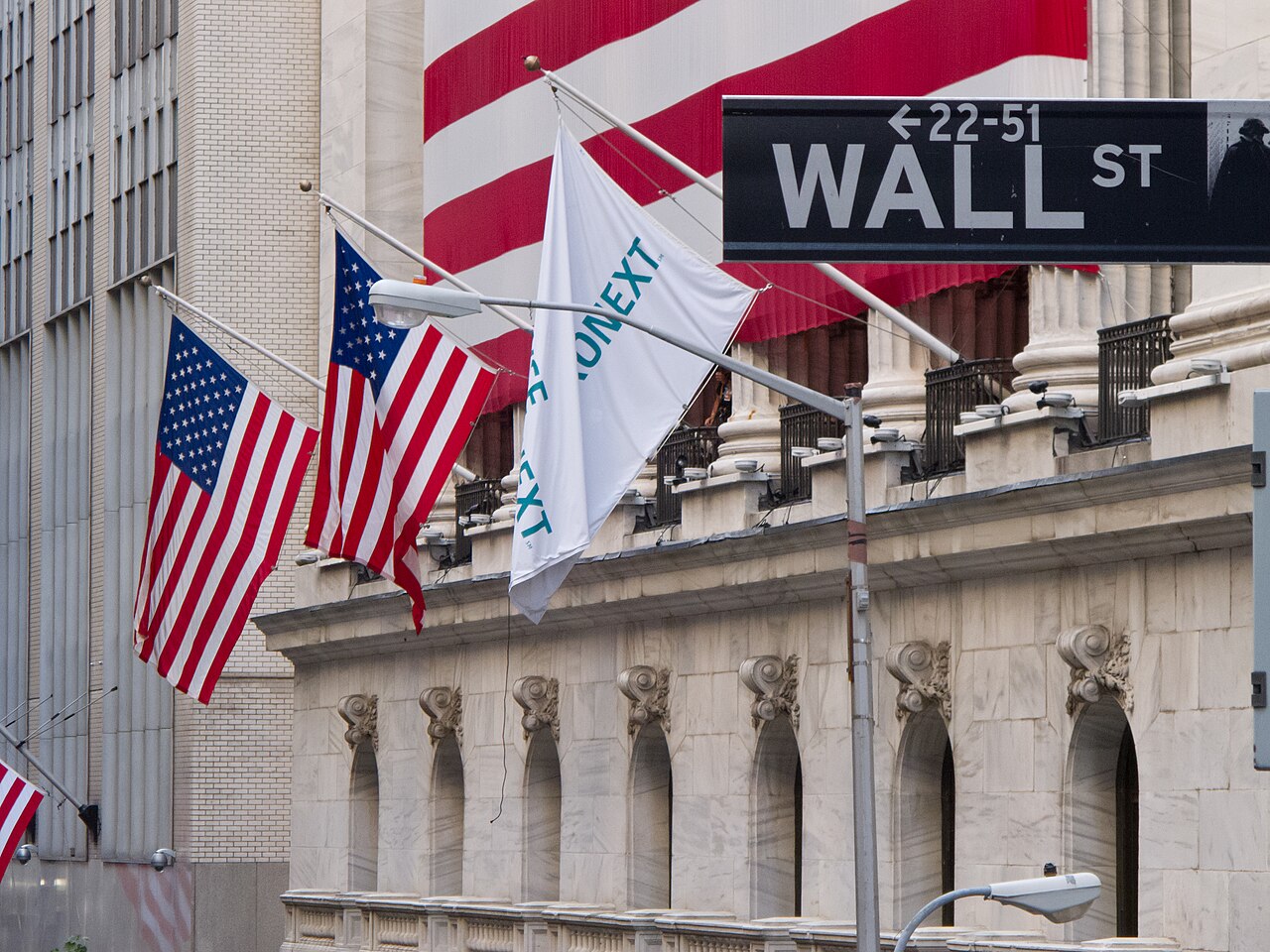
What the stock market really is
When people talk about the stock market, it can sound like a mysterious place full of shouting traders and flashing numbers. The reality is simpler. The stock market is just a giant marketplace where people buy and sell small pieces of companies. Those small pieces are called shares, or stocks. That is the whole core idea. Everything else is detail built on top of it.
Think of it like a farmers market, but instead of trading apples and bread, people trade ownership in businesses. When you buy a share, you are buying a tiny slice of a real company, and that slice can rise or fall in value depending on how people feel about the company's future.
What a share of stock actually means
A company that wants to raise money has a few options. One of them is to sell ownership in itself to the public by dividing the company into many small pieces and selling them. Each piece is a share.
If a company is split into one million shares and you own one share, you own one millionth of that company. That sounds tiny, but it is real ownership. As a shareholder you have a claim on a sliver of the company's value, and sometimes a share of its profits, paid out as something called a dividend.
Companies first sell their shares to the public in an event called an initial public offering. After that, those shares trade freely between investors, and that ongoing trading is what most people mean when they say the stock market.
Exchanges, the marketplace for shares
All this buying and selling has to happen somewhere. That somewhere is a stock exchange. In the United States the two best known are the New York Stock Exchange and the Nasdaq. An exchange is basically an organized, regulated marketplace that matches people who want to buy shares with people who want to sell them.
You do not walk onto an exchange yourself. Instead you use a broker, which today is usually an app or a website. You tap a button to buy or sell, the broker sends your order to the exchange, and the exchange matches it with someone on the other side of the trade. All of this happens in seconds.
Buyers, sellers, and how a price gets set
Here is the part that trips people up. Nobody sits in a room deciding what a stock should cost. The price comes from buyers and sellers agreeing on a number, over and over, all day long.
At any moment, some people are willing to buy a stock at a certain price, and others are willing to sell at a certain price. When a buyer and a seller agree on the same number, a trade happens, and that becomes the latest price. Multiply this by millions of trades and you get a price that constantly ticks up and down.
- If more people want to buy a stock than sell it, buyers compete and the price gets pushed up.
- If more people want to sell than buy, sellers compete and the price drops.
It is the same supply and demand that sets the price of tickets or sneakers. When lots of people want in and few want out, the price climbs.
Why prices move up and down
So why do people suddenly want to buy or sell? Usually it comes down to expectations about the future. A stock's price reflects what buyers and sellers collectively think a company is worth going forward, not just what it is doing today.
Good news, like a company earning more money than expected, tends to make people want to own it, so the price rises. Bad news, like weak sales or a scandal, tends to make people want out, so the price falls. Bigger forces move prices too, such as the overall economy, interest rates, and how confident people feel in general.
A stock price is really a live vote on a company's future, cast by everyone buying and selling at that moment.
Because the future is uncertain, prices bounce around constantly. That movement is normal. It does not mean something is broken. It means new information and new opinions are always flowing in.
A simple example
Imagine a company whose shares trade at 50 dollars each. The company announces it just had its best year ever and expects to keep growing. Suddenly more people want to own a piece of it. Buyers start offering 51 dollars, then 52, then 55, because they are competing to get shares from a shrinking pool of sellers. The price rises to 55 dollars, not because anyone decreed it, but because that is where buyers and sellers now agree.
Now imagine the opposite. A month later the same company loses a major customer. Nervous shareholders rush to sell, buyers get cautious, and to find a buyer sellers accept lower and lower offers. The price slides from 55 back toward 48. Same company, same shares, very different price, all driven by what people expect next.
Why this matters for you
You do not need a fortune or a finance degree to take part. With most modern apps you can buy a single share, or even a fraction of one, in a few taps. Understanding that a stock is real ownership, and that its price is just a running agreement between buyers and sellers, takes a lot of the mystery out of it.
The market can feel emotional in the short run, swinging on news and moods. Over the long run, though, it has historically rewarded people who stay patient and keep learning. Knowing how the machine works is the first step to using it wisely instead of fearing it.
On Euphoria you can practice buying and selling shares with paper trading, watch how prices respond to supply and demand in interactive lessons, and build real confidence in how the market works, all without putting a single real dollar at risk.