Strategy
Dollar-Cost Averaging Explained Simply
What is dollar-cost averaging? Learn how investing a fixed amount on a schedule smooths out price swings, with a clear example and why it helps beginners.
By the Euphoria team · 2026-07-16 · 6 min read
Key points
- Dollar-cost averaging means investing a fixed amount on a set schedule no matter what prices do.
- The same dollar amount buys more shares when prices are low and fewer when prices are high.
- In the example, steady investing gave an average cost of about $7.06 per share versus the $7.67 average price.
- It removes the guesswork of timing the market and lets you start with small amounts.
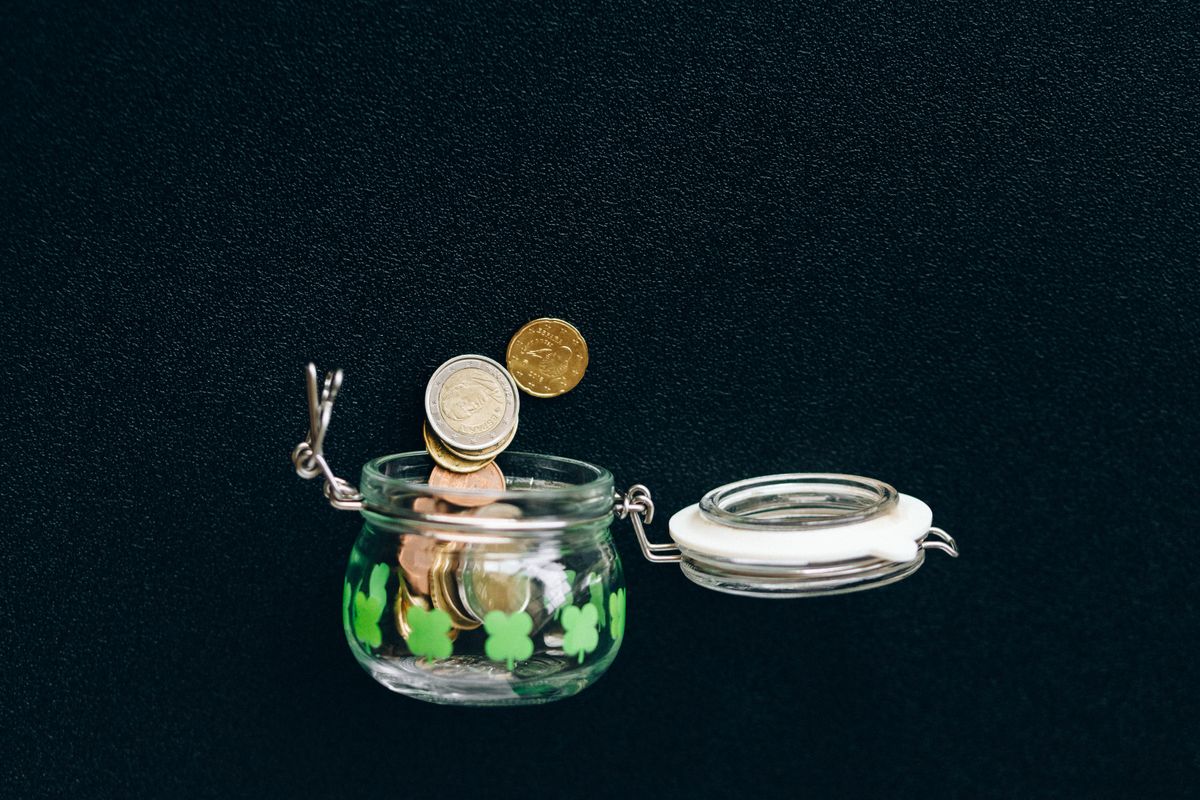
The problem it solves
When people start investing, one worry stops them cold. What if I put my money in right before prices drop? Trying to guess the perfect moment to buy is stressful, and honestly, even the pros are bad at it. Dollar-cost averaging is a simple strategy that sidesteps the whole problem. Instead of timing the market, you invest on a schedule and let the timing take care of itself.
The idea is almost boring in its simplicity, which is exactly why it works so well for beginners.
How dollar-cost averaging works
Dollar-cost averaging means investing a fixed amount of money at regular intervals, no matter what prices are doing. You might put in $100 on the first of every month, every month, rain or shine. You do not speed up when things look exciting or freeze when things look scary. You just keep going.
Because you invest the same dollar amount each time, your money automatically buys more shares when prices are low and fewer shares when prices are high. You end up leaning into bargains and easing off when things are expensive, without having to make a single nerve wracking decision.
A concrete example with round numbers
Say you invest $100 each month for three months. In month one the price is $10 per share, so your $100 buys 10 shares. In month two the price drops to $5, so your $100 now buys 20 shares. In month three the price is $8, so your $100 buys 12.5 shares.
Add it up. You invested $300 total and ended up with 42.5 shares. Your average cost per share was 300 divided by 42.5, which is about $7.06. Now compare that to the average of the three prices, which was 10 plus 5 plus 8, divided by 3, or about $7.67. By investing steadily, you paid less per share on average than the simple average price, because the low priced month automatically bought you extra shares.
Why it helps beginners
The biggest benefit is not really the math. It is what it does to your behavior. Investing is emotional. When prices fall, fear tells you to stop. When prices soar, excitement tells you to pile in. Both instincts tend to hurt you. Dollar-cost averaging removes the guesswork by making the decision ahead of time and sticking to it.
It also makes investing possible with small amounts. You do not need a big lump sum. You can start with whatever fits your budget, like part of an allowance or a first paycheck, and build the habit. That habit, repeated over years, is what quietly builds real wealth.
Your money automatically buys more shares when prices are low and fewer when prices are high.
What to keep in mind
Dollar-cost averaging is a tool, not a guarantee. It does not promise a profit, and it will not protect you from every downturn. Prices can still fall over long stretches, and steady investing means you keep buying through those stretches too, which is uncomfortable but often the point.
What it does give you is discipline, a simpler decision, and freedom from the impossible task of predicting the market. For most beginners, that trade is well worth it. Set the amount, set the schedule, and let consistency carry you.
On Euphoria you can run dollar-cost averaging through interactive lessons and watch how steady investing behaves across ups and downs, so the strategy feels natural when you use it for real.